All-Clad D3 Stainless Cookware Set
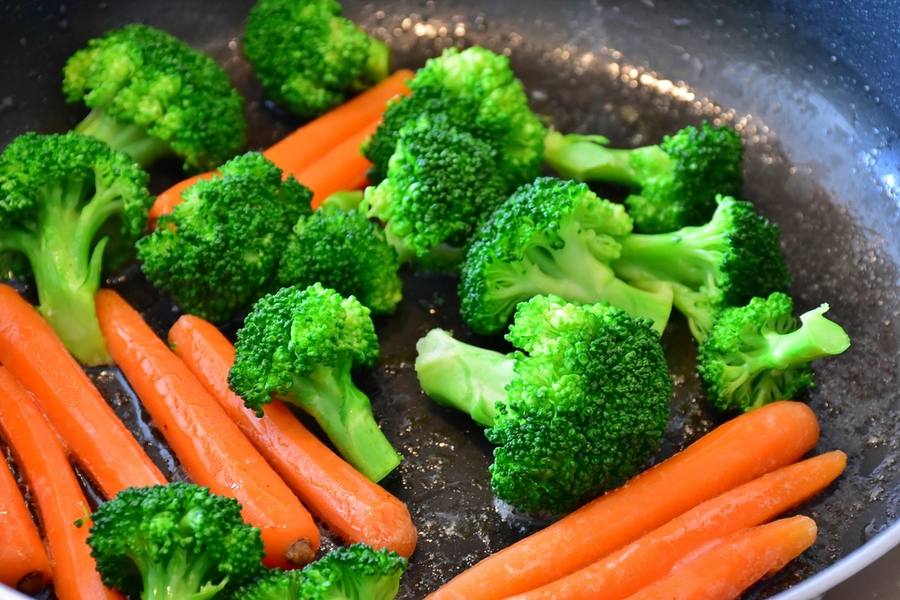
Symbolbild (Stockfoto); nicht das abgebildete Produkt.
Fully Clad Versus Disc Base
The single most important distinction in stainless cookware is whether the conductive core runs up the sides of the pan or sits only as a disc in the base. A disc-base pan heats its bottom evenly and its walls barely at all, which means anything resting against the side scorches or sticks while the middle behaves properly.
Fully clad construction bonds aluminium between stainless layers across the entire pan, base and walls, so the whole vessel heats together. For anything where food touches the sides — a risotto, a reduction, a pan sauce — that difference is immediately obvious.
All-Clad's D3 is the three-ply version of that construction and it is effectively the reference product. Almost every comparison in this category is made against it.
Why Stainless Rather Than Non-Stick
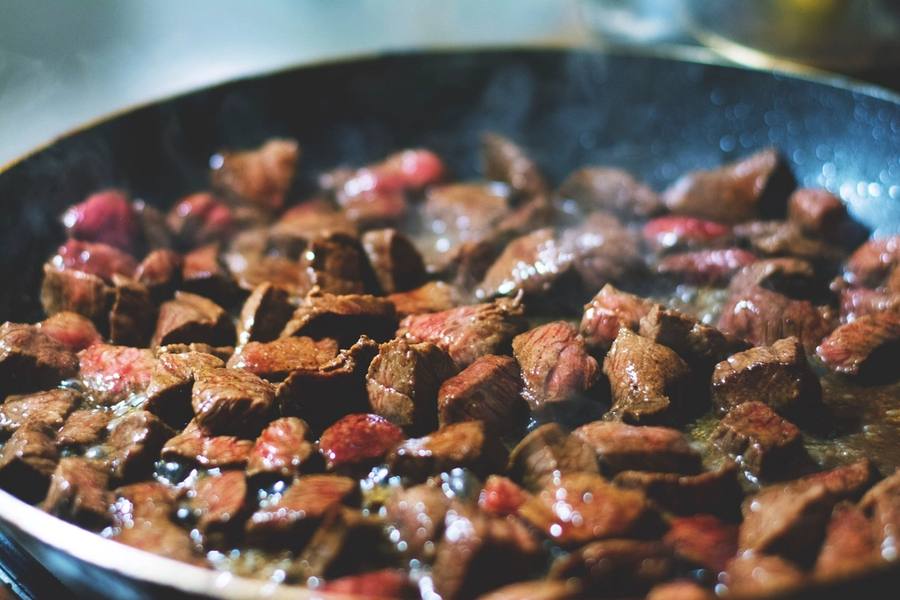
Stainless does not release food easily, which is precisely why it browns properly. Fond — the browned residue that sticks to the pan — is where the flavour in a pan sauce comes from, and a non-stick surface prevents it forming.
It also tolerates high heat, metal utensils, oven use and decades of scrubbing, none of which non-stick survives. A non-stick pan is a consumable replaced every few years; a clad stainless pan is bought once.
The trade is technique. Food sticks to stainless when the pan is too cool or the food is moved too early, and learning to preheat properly and leave things alone is the skill that makes stainless pleasant rather than frustrating.
Handles, Weight And Living With It
The handles are the most commonly criticised aspect: they are stainless, and on the D3 line they are relatively narrow with a defined edge that some people find uncomfortable over a long session.
They also get hot, because they are metal and attached to a metal pan. A cloth or a handle cover is part of using stainless cookware and is not a design failure.
The pans are heavy, which is a consequence of the construction and a benefit in use — a heavy pan holds its temperature when cold food goes in, where a thin pan drops and stews rather than sears.
Against The Alternatives
Against disc-base stainless sets, the difference in wall heating is real and worth paying for if you cook anything beyond boiling water.
Against Tramontina and other clad sets at lower prices, the construction is very similar and the finishing, handle comfort and brand premium differ. Blind, most cooks would struggle to identify which pan they were using.
Against non-stick, stainless browns properly and lasts decades; non-stick releases eggs and pancakes easily and is replaced regularly. Most kitchens want one non-stick pan alongside a stainless set rather than choosing.
Who Should Not Buy It
Anyone cooking mostly eggs, pancakes and delicate fish will find a non-stick pan far more pleasant for that work, and should buy one alongside rather than instead.
Anyone unwilling to learn to preheat properly will find stainless sticks and will blame the pan.
Anyone judging on value should look hard at cheaper fully clad sets, since the construction that matters is not exclusive to this brand.
The Verdict
The reference fully clad stainless set: even heat to the rim, high-heat and oven tolerant, metal-utensil proof, and built to last decades rather than years.
The handles are divisive, the pans are heavy, and cheaper clad sets deliver very similar performance.
Buy clad rather than disc base — that decision matters far more than which brand of clad you choose.
Auf einen Blick
Vorteile
- Aluminium core runs the full height, so walls heat as well as the base
- Tolerates high heat, metal utensils, oven use and decades of scrubbing
- Browns properly, producing fond for pan sauces
- Induction compatible and effectively permanent
Nachteile
- Narrow stainless handles that some find uncomfortable
- Handles get hot; a cloth is part of using it
- Heavy
- Cheaper clad sets perform very similarly
Häufig gestellte Fragen
What is the difference between clad and disc-base?
A disc-base pan has a conductive plate only in the bottom, so the walls stay comparatively cool and food against them scorches or sticks. Fully clad runs the core up the sides so the whole pan heats together, which matters for anything that touches the walls.
Why does my food stick to stainless?
Almost always the pan was not hot enough, or the food was moved before it released. Preheat until a drop of water skitters rather than sits, add fat, then leave the food alone until it lifts freely. Stainless rewards patience and punishes fiddling.
Do I still need a non-stick pan?
For eggs, pancakes and delicate fish, yes — stainless will do it with enough skill and fat, and a non-stick pan makes it trivial. One non-stick pan alongside a stainless set is the arrangement most kitchens settle on.
Spezifikationen
| Construction | Three-ply fully clad |
| Core | Aluminium, full height |
| Surface | Stainless steel |
| Oven safe | Yes, high temperature |
| Induction | Compatible |
| Utensils | Metal safe |
| Dishwasher | Safe |
| Expected life | Decades |
Fazit
The reference clad stainless set: even heat to the rim, browns properly, lasts decades. Choose clad over disc base — that matters more than the brand.
Preis auf Amazon prüfen